

UK Partial Solar Eclipse
On Wednesday 12th August 2026 the UK will see a partial solar eclipse. From the UK this is not a total eclipse, but the Moon will cover a large part of the Sun during the early evening.
Timings vary depending on where you are. According to Timeanddate, the partial eclipse begins in the UK from around 5:59pm BST and ends by around 8:10pm BST. For many UK cities the maximum eclipse is around 7:10pm to 7:14pm BST.
For location-specific timings, obscuration and maps, visit Timeanddate's
12th August 2026 UK eclipse page.
It should be a striking event if the weather is kind. Look out for the daylight dimming and the light taking on a slightly unusual quality as the eclipse reaches its maximum.
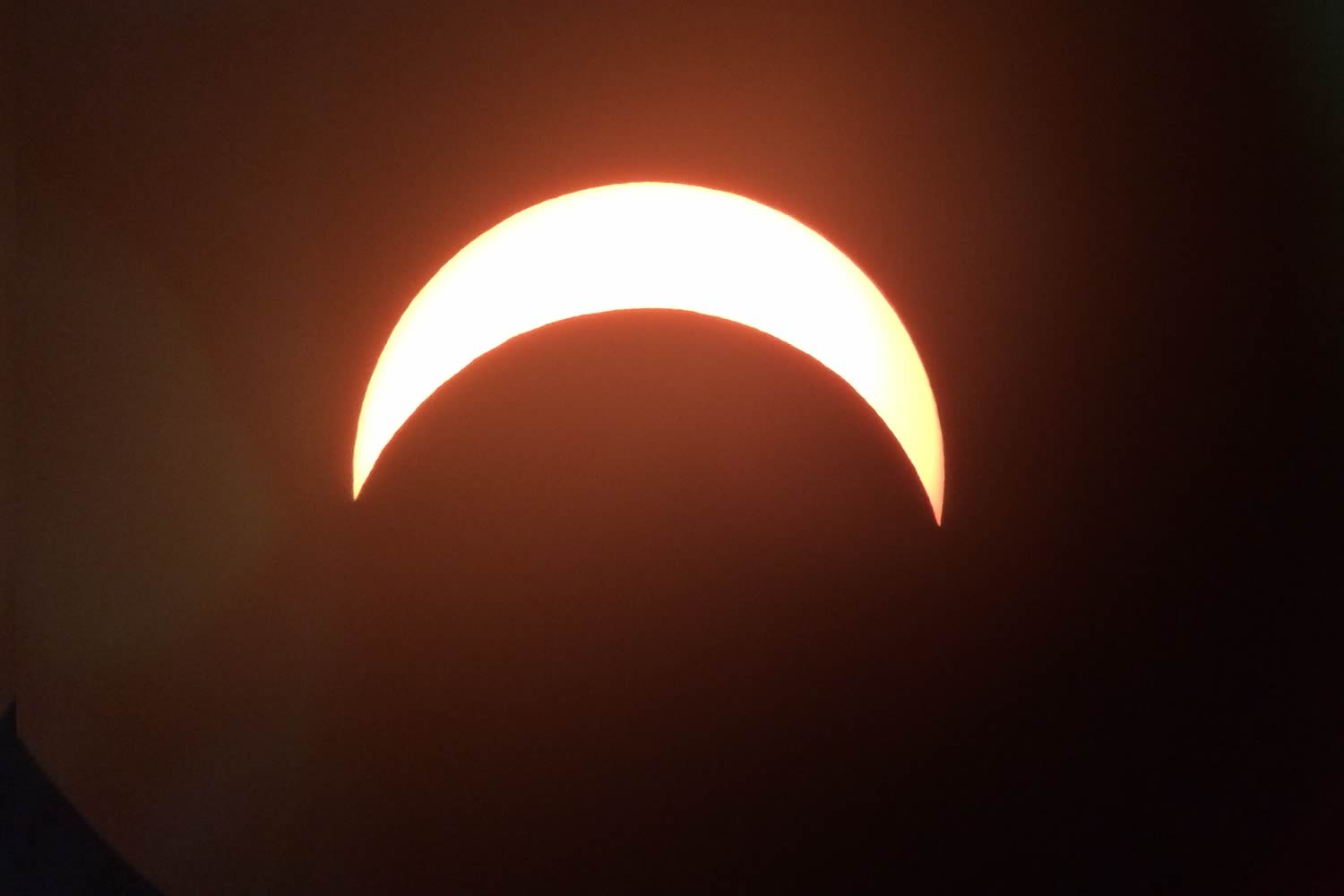
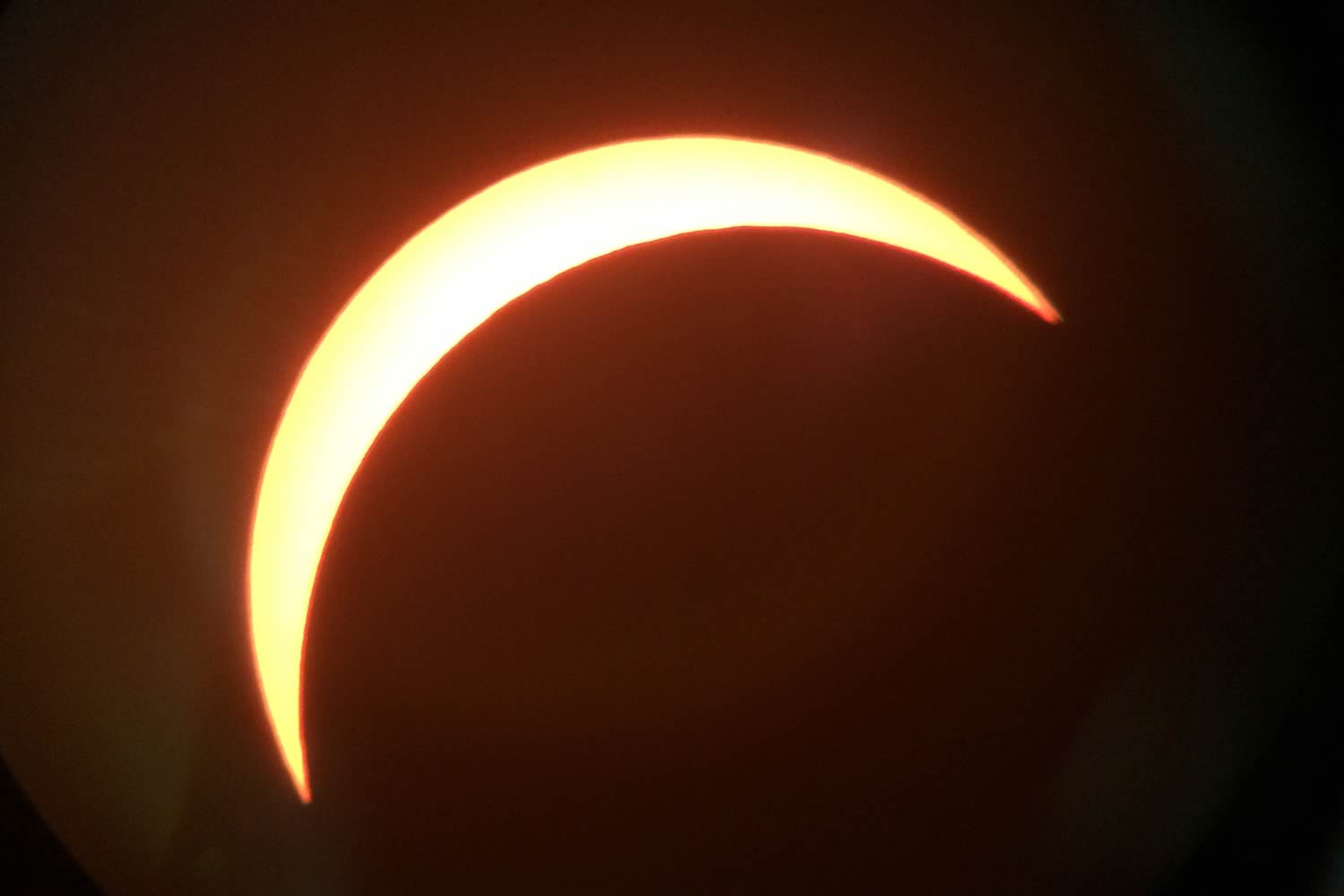
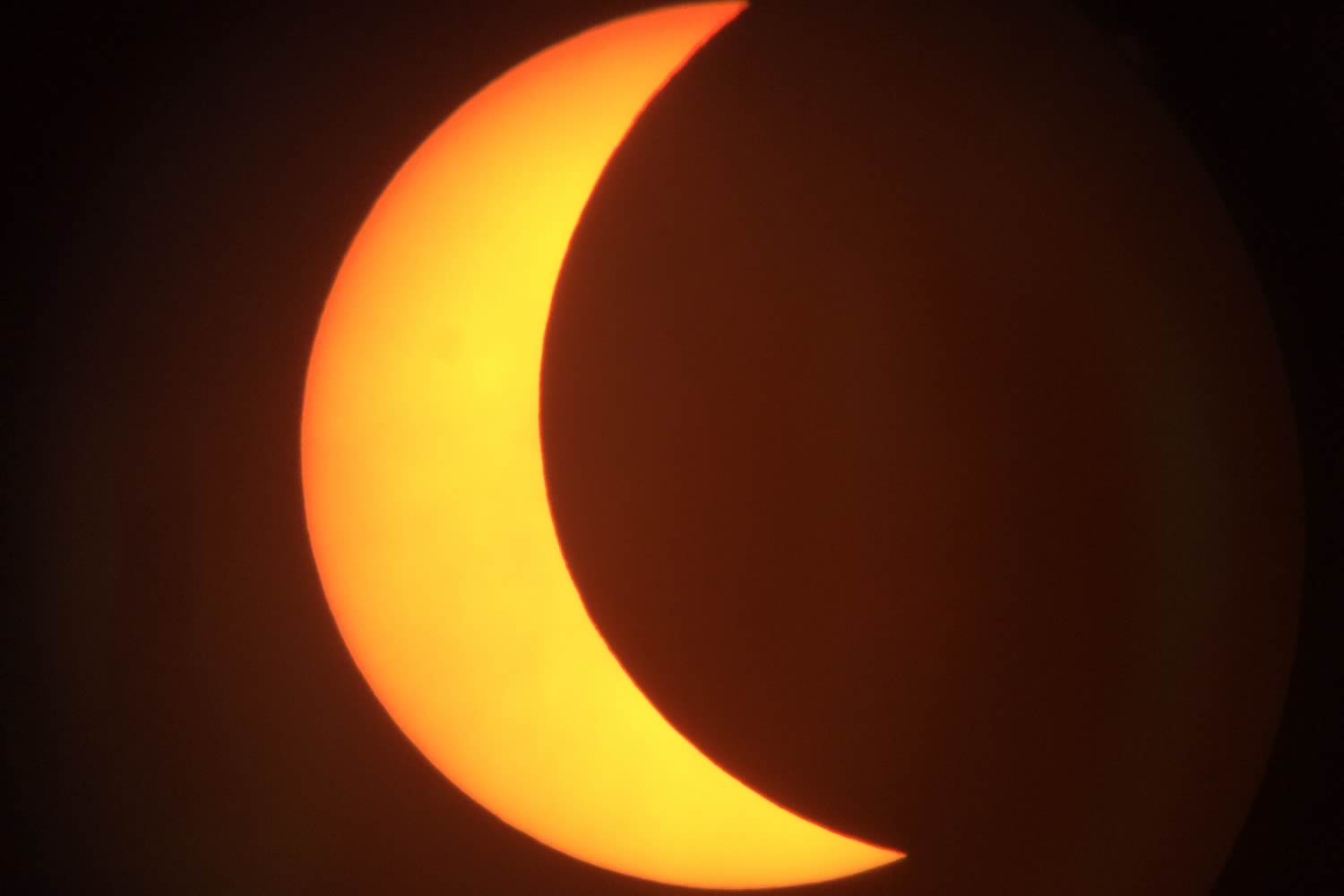
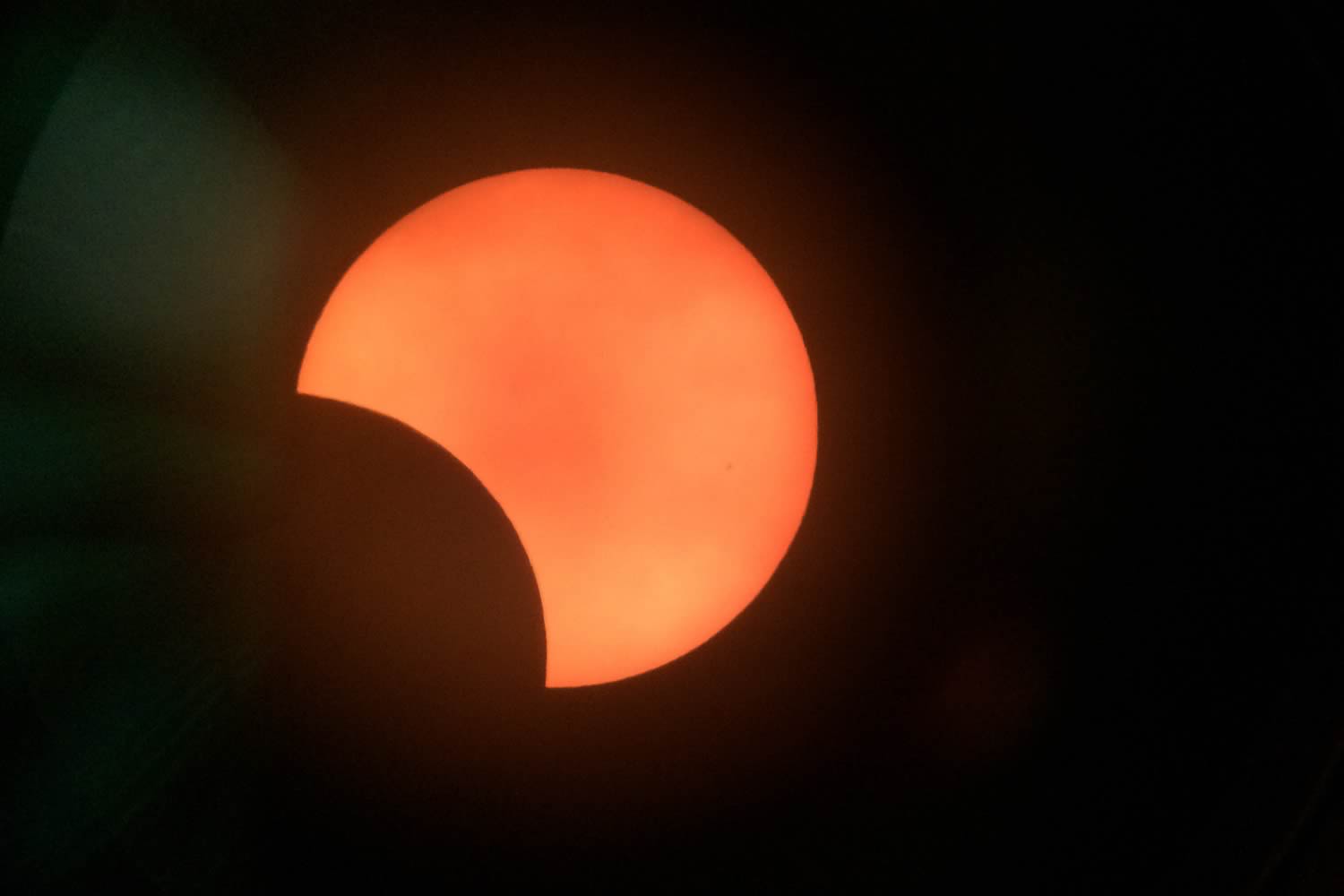
The images below were taken during a previous partial solar eclipse using a 10” Dobsonian telescope fitted with proper solar film, with the photos captured on an iPhone.


As a guide, Timeanddate lists London at about 91% obscuration, starting at 6:17pm, reaching maximum eclipse at 7:13pm and ending at 8:06pm BST. Cardiff, Birmingham, Liverpool and Glasgow are listed with similar early evening timings, with the exact start, maximum and end times changing slightly by location.
If you are planning to watch or photograph it, set up early, check your equipment before the eclipse starts and use the
Timeanddate UK eclipse guide
to confirm the best timing for your nearest town or city.
Solar glasses are a great way to go out and see it, you can pick these up from most telescope shops or online. This way you can just pop out look up and see it easily just using your eyes.
Please don't use smoked glass or welders' masks as these don't block out some of the harmful rays and can damage your eyes.
There are also some easy DIY ways to see it and fun projects one being making a pin hole projector, which is pretty much a box with a pin hole that projects the sun through it onto the
card. It's a cool thing to have a go at making with the kids etc. Visit Exploratorium's
Solar Eclipse Page which have all these techniques all there for you in the comments.
Another few easy ways are use two pieces of card pop a hole in one and project it through on to the other. Use a colander or kitchen strainer as the holes in it are perfect to make
lots of little eclipses onto white card or paper. You can even use your hands overlapping your fingers at right angles to make holes big enough to let the sun through onto paper.
Now these techniques are fun and easy but the view will be small and slightly dim, to really get a good look you can use binoculars JUST DON'T LOOK THROUGH THEM.
Pop them on a tripod, make a sun shield from a piece or card by cutting a hole or two in it popping it over one or both of the ends of the binoculars then hold another piece of card / paper
about a foot from the viewing part and it should project it onto it safely. But, make sure to give your binoculars a cooling break now and then, as the eyepiece may become overheated and the
lens elements may separate if you leave it pointed at the Sun for too long. You can do this with a refracting telescope as well as it uses a lens not mirror. Use the shadow on the
ground to get it lined up with the Sun not the finder as it'll blind you.
Now, you can get filters for you binoculars and telescopes and this is the safest way to enjoy the partial eclipse as well as viewing sunspots etc. Most pop on the end of our
scope and will allow you to see it in yellow, some in white as this helps the black sun spots pop out more so are easier to view. If you have a refractor, you can get a
Herschel wedge which replaces the star diagonal part which you put your eyepieces into this gives you a clearer and better view but costs a bit more. IF IN DOUBT, JUST ASK
THE TELESCOPE SUPPLIER to ensure you get the right gear that is safe for you.


So I hope that gives you a rough run down of safe ways to watch the 12th August 2026 partial solar eclipse. We will share any UK Astronomy observing plans nearer the time.
And remember NEVER LOOK AT THE SUN unless you have the right gear or are with a professional.
 Meet the Team
 What we do
 How you can support us




Achievement of the quality mark by UK Astronomy demonstrates to funders and other stakeholders their commitment to excellence.
Ian McLintock,
Founder,
Charity Excellence.
© Copyright 2021 - , UK Astronomy, All rights reserved.
UK Astronomy is a registered charity in England and Wales (1190172)
and a company Limited by Guarantee (10276672)
Registered Office: 3 Pleshey Close, Milton Keynes, MK5 6EP
Website Designed & Maintained by Visual Interactive